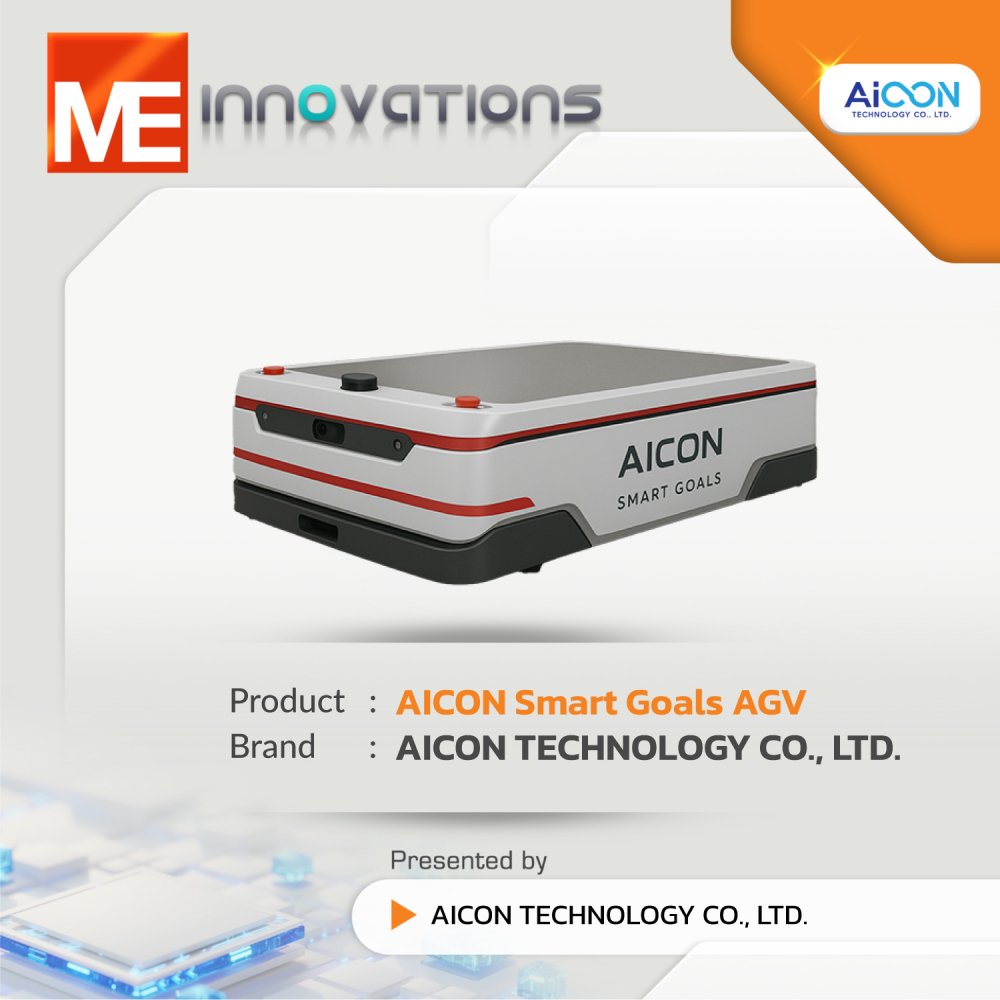
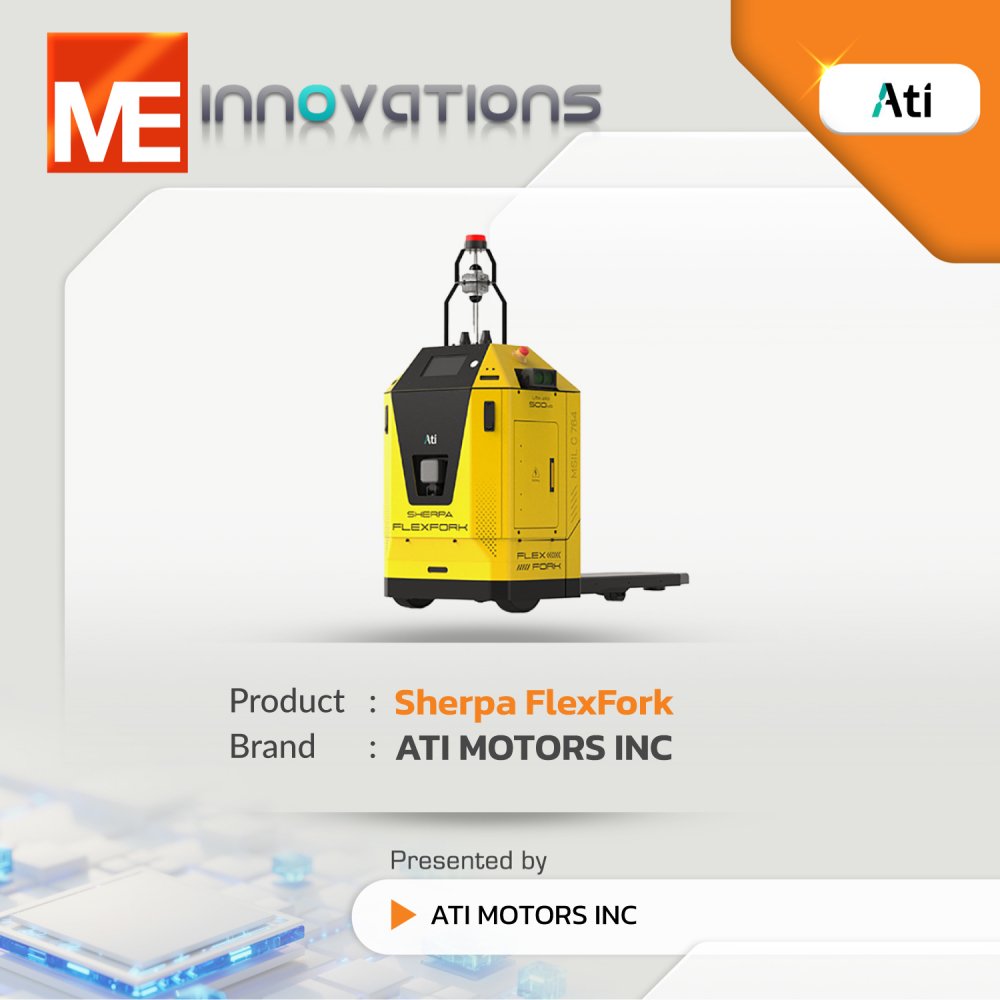
The global industrial landscape is evolving at a breakneck pace, and "Agentic AI" is no longer just a buzzword—it is a competitive necessity. While market leaders in F&B, Medical, and Electronics are already deploying smart autonomous fleets in their production lines, avoiding this adjustment could lead to detrimental problems: |
|
|
|
|
|---|
|
|
Rising wages and a shrinking pool of skilled workers for support roles which make manual workflows unsustainable. |
|
|
|
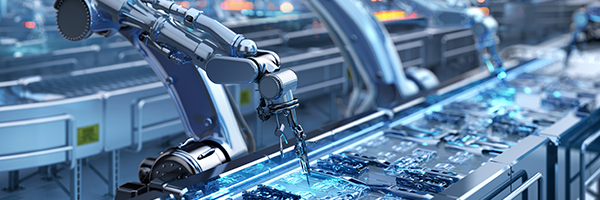
Intralogistics Bottlenecks such as manual transport of components in Electronics manufacturing creates unnecessary downtime and slows down overall output. |
|
|
|
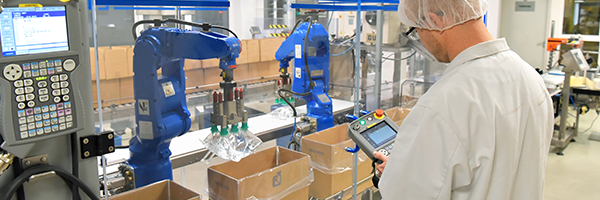
| Hygiene & Compliance Risks from human error in delicate Medical and F&B handling environments which increases contamination risks and high rejection rates. |
|
|
|
Operational Rigidity could compromise real-time support services during peak demand periods, leading to lost revenue opportunities. |
|
|
|
|
|---|
|
|
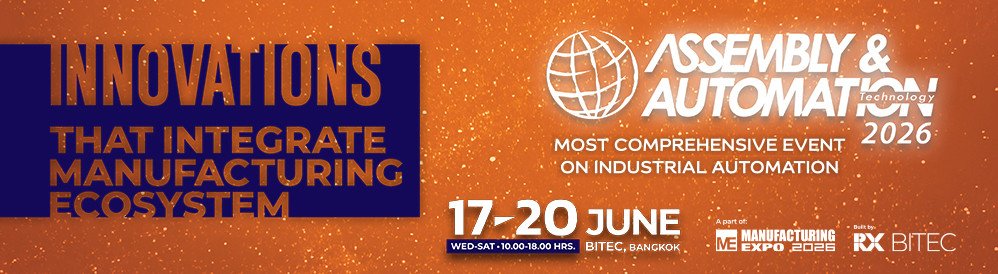
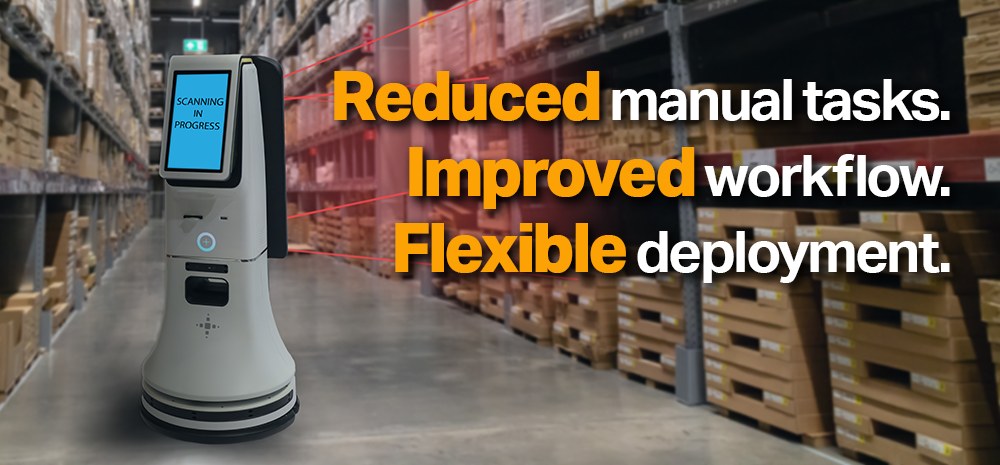
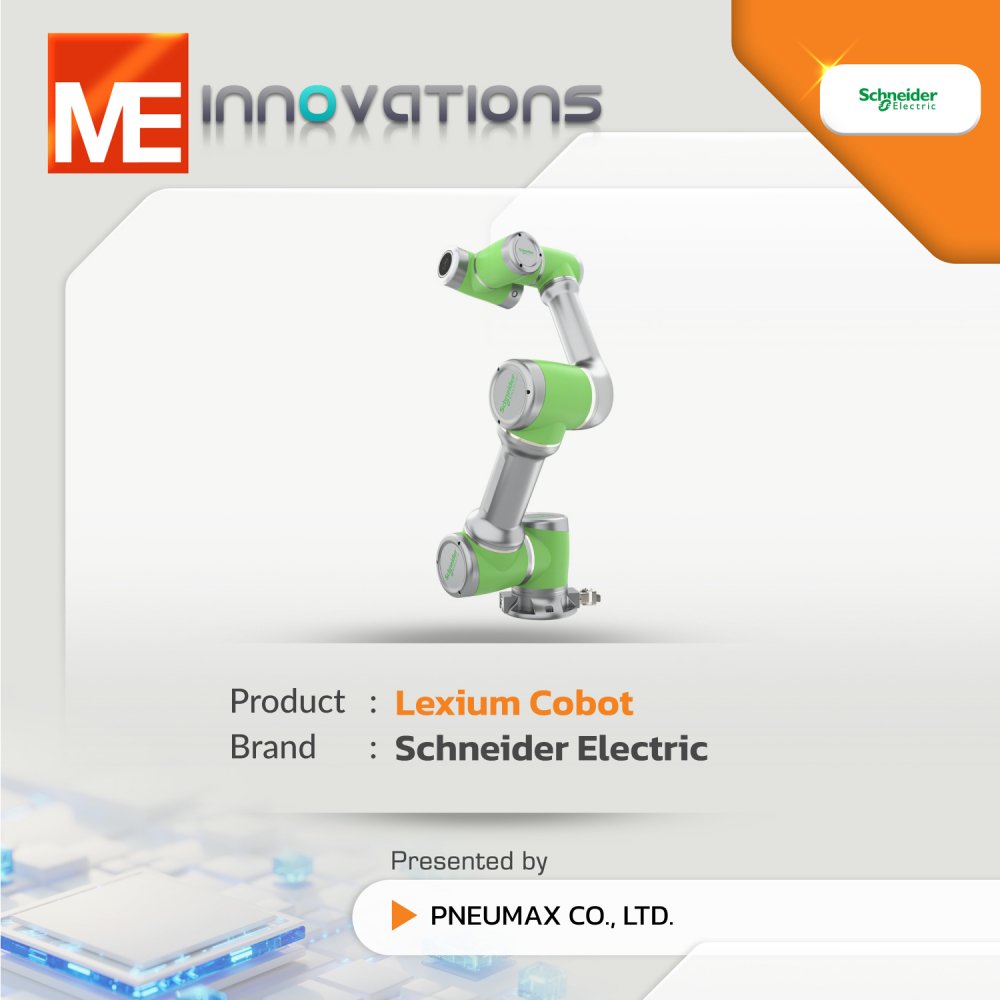
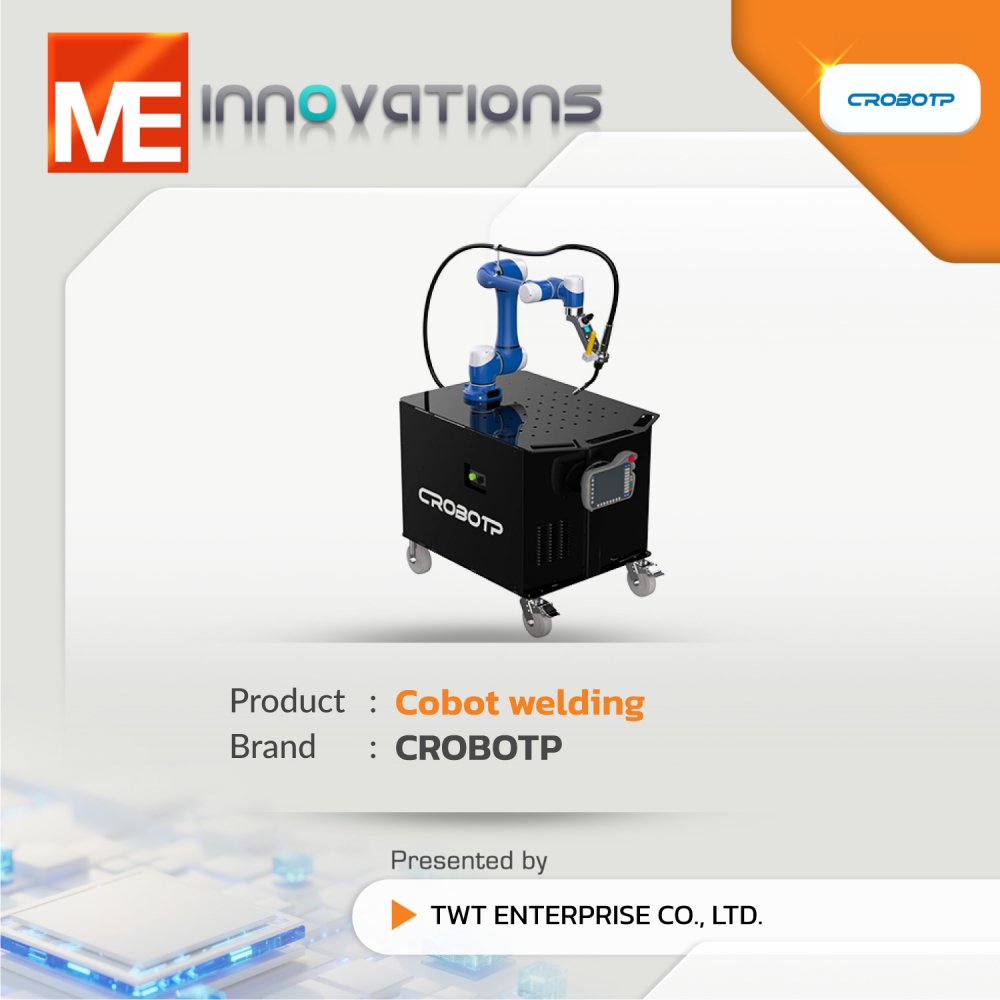
Future-proof production lines at Assembly & Automation Technology 2026, where over 475 world-class brands will come together to feature the latest in Service Robots, AMRs (Autonomous Mobile Robots), and Collaborative Robots (Cobots). These AI-driven systems learn and adapt to your specific workflow, enabling productivity 24/7, and allowing you to reallocate human talent to high-value tasks while drastically lowering labor costs and eliminate errors associated with traditional work processes. |
|
|
|
|
|---|
|
|
| |
|