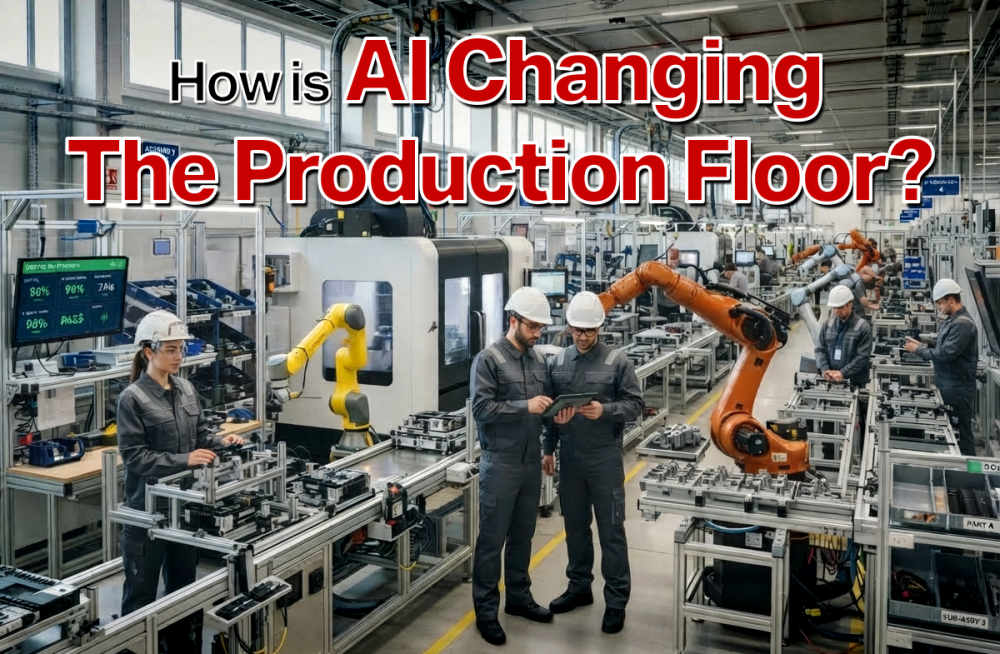
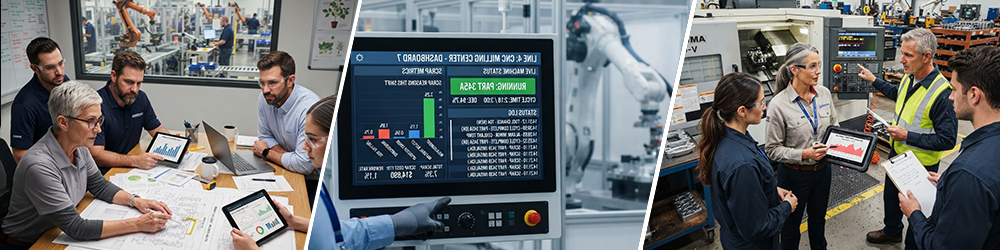
Over the past few years, AI has become a major topic across almost every industry. In manufacturing, however, the more interesting development is how AI is moving beyond data analysis and becoming part of day-to-day production.
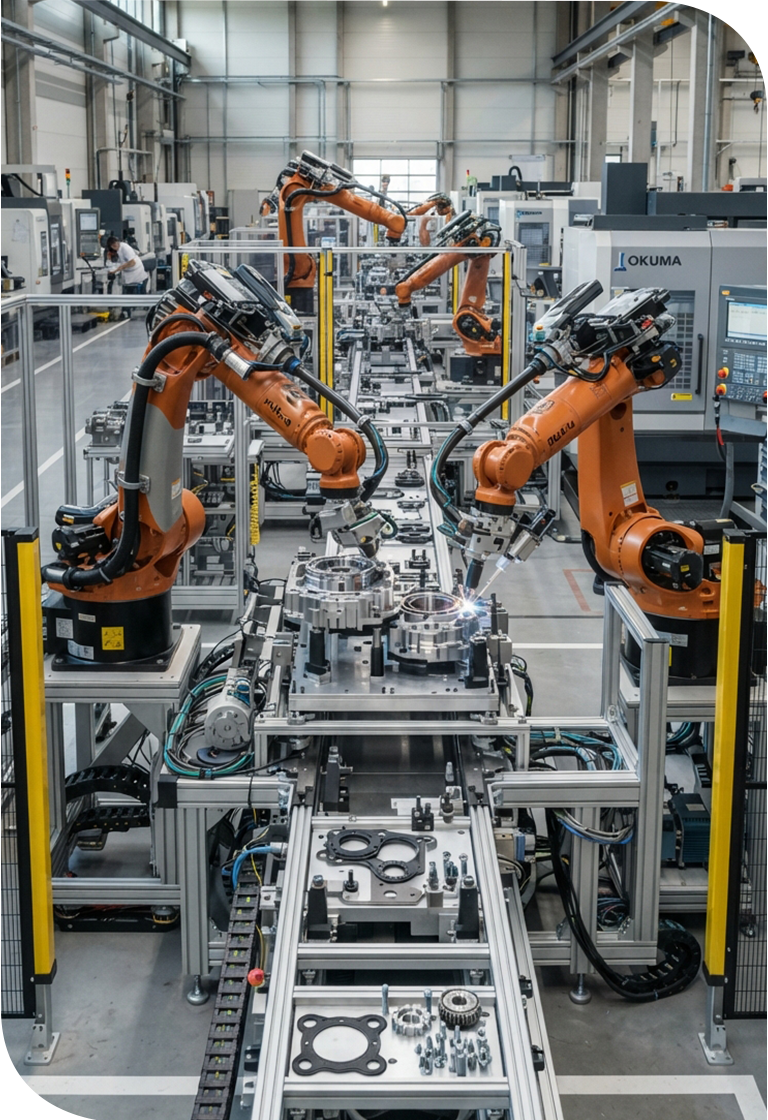
From analyzing machine data and inspecting product quality to planning maintenance and working alongside robots and automation systems, AI is gradually finding practical applications across the factory floor. The 2026 Roadmap on Artificial Intelligence and Machine Learning for Smart Manufacturing by the U.S. National Institute of Standards and Technology (NIST) highlights the growing use of AI and machine learning across areas such as sensing, robotics, automation, digital twins and manufacturing operations. What is worth watching now is not simply how advanced AI is becoming, but how these technologies are getting closer to solving real production challenges. |
|
|
|
|
|---|
|
|
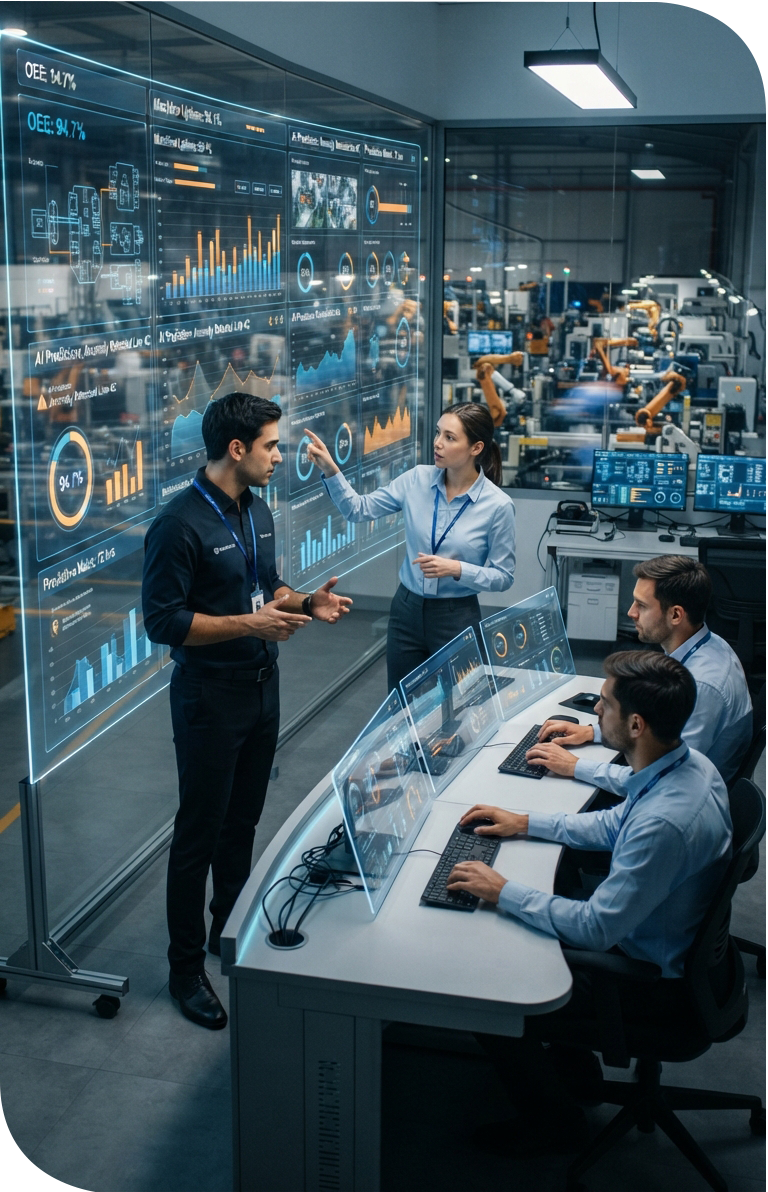
| Factories generate a huge amount of data every day through machines, sensors, control systems and quality inspections. With AI, manufacturers can make better use of this information to identify patterns or abnormalities that may otherwise be difficult to spot — from early signs of equipment problems to changes in production conditions that could affect product quality. This means machine data can become more than a record of what has already happened. It can help manufacturers understand what is happening now and make better-informed decisions about what to do next. |
|
|
|
|
|---|
|
|
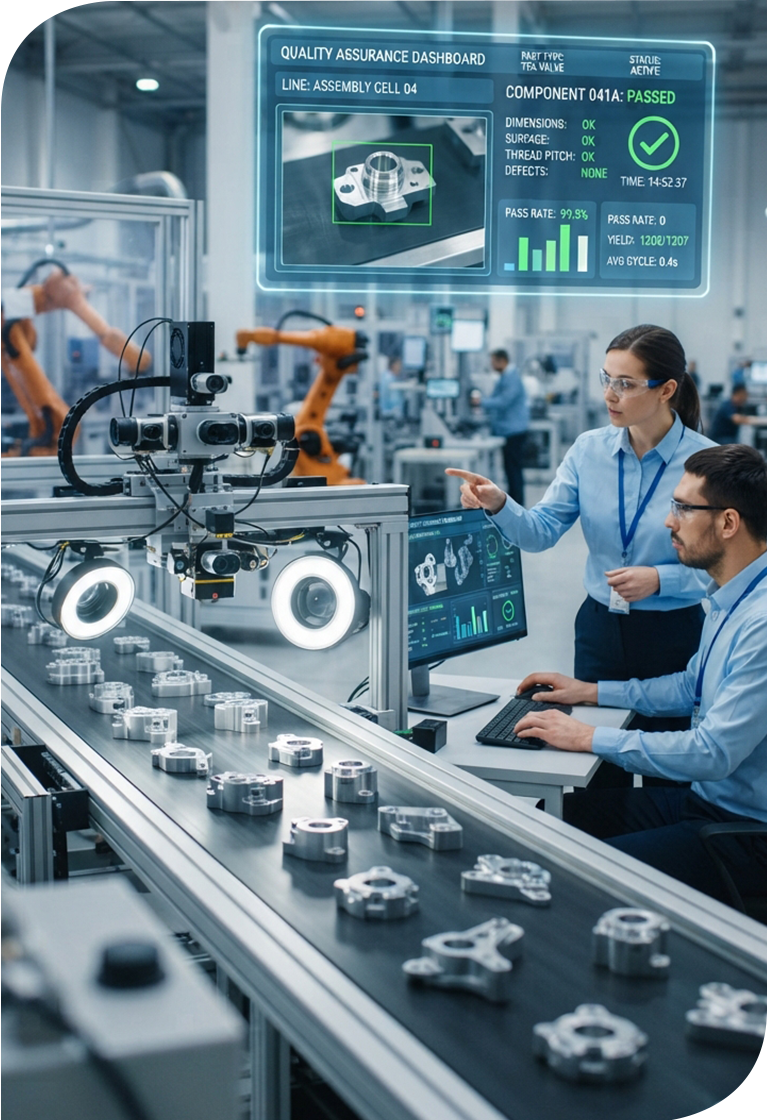
Quality control is another area where AI is beginning to make a difference. Combined with cameras and machine vision systems, AI can help identify defects and irregularities during production more quickly and consistently.
For manufacturers working with tight tolerances and demanding quality requirements, detecting problems earlier can help reduce scrap and rework, while preventing defects from moving further down the production line. |
|
|
|
| |
|---|
|
|
| Quality control is another area where AI is beginning to make a difference. Combined with cameras and machine vision systems, AI can help identify defects and irregularities during production more quickly and consistently.
For manufacturers working with tight tolerances and demanding quality requirements, detecting problems earlier can help reduce scrap and rework, while preventing defects from moving further down the production line. |
|
|
|
|
|---|
|
|
Perhaps the first question should not be: “How can we use AI in our factory?” A better place to start may be the production challenges you already have. Where is scrap highest? Which machines experience frequent downtime? Which processes depend heavily on operator experience? What production data are you already collecting but not fully using? Once the problem is clear, it becomes much easier to determine where technology can actually make a difference. After all, AI is no different from any other manufacturing technology.
Its real value is not in how new or advanced it is, but in whether it can help manufacturers produce better, faster and more accurately — or solve a problem that matters. |
|
|
|
SourcesNIST — 2026 Roadmap on Artificial Intelligence and Machine Learning for Smart Manufacturing IMTS — Industrial AI Finds Its Niche at IMTS 2026 International Federation of Robotics — 2026 insights on AI and industrial robotics
|
|
|
|
|
|---|
|
|
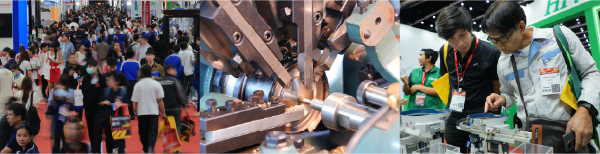
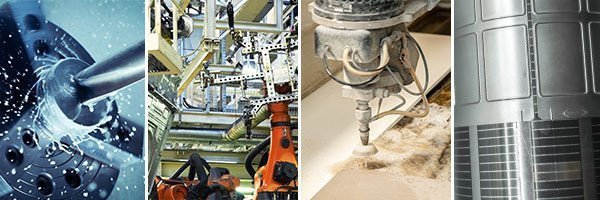
At METALEX 2026, explore technologies and solutions across machine tools, automation, robotics, metrology and digital manufacturing, and see how the latest developments can be applied to real production needs. Discover what today’s manufacturing technologies could mean for your factory. METALEX 2026 18–21 November 2026 BITEC, Bangkok |
|
|
|
|
|---|
|
|
| And here are some of the innovators of machine tools and metalworking technologies who will be building businesses for all participants at METALEX 2026. |
|
|
|
|
|---|
|
|
And many more! (As of August 31, 2026) |
|
|
|
|
|---|
|
|
FOR SPACE BOOKING
Please contact: Ms. Pornnapat Piyasupasit |
|
|
|
|
|---|
|
|
| |
|